
Whiplash: Symptoms, Recovery, and How Chiropractic Care Can Help
Medical disclaimer: This article is for general education and is not a substitute for medical advice. If you have severe pain, numbness, weakness, dizziness, a severe headache, trouble walking, or symptoms after a significant accident, seek urgent medical care.
Whiplash is one of the most common injuries after a car accident, sports collision, or sudden fall. Most people recover well with timely, appropriate care—and chiropractic plays a key role in restoring joint function, soft tissue health, and movement quality.
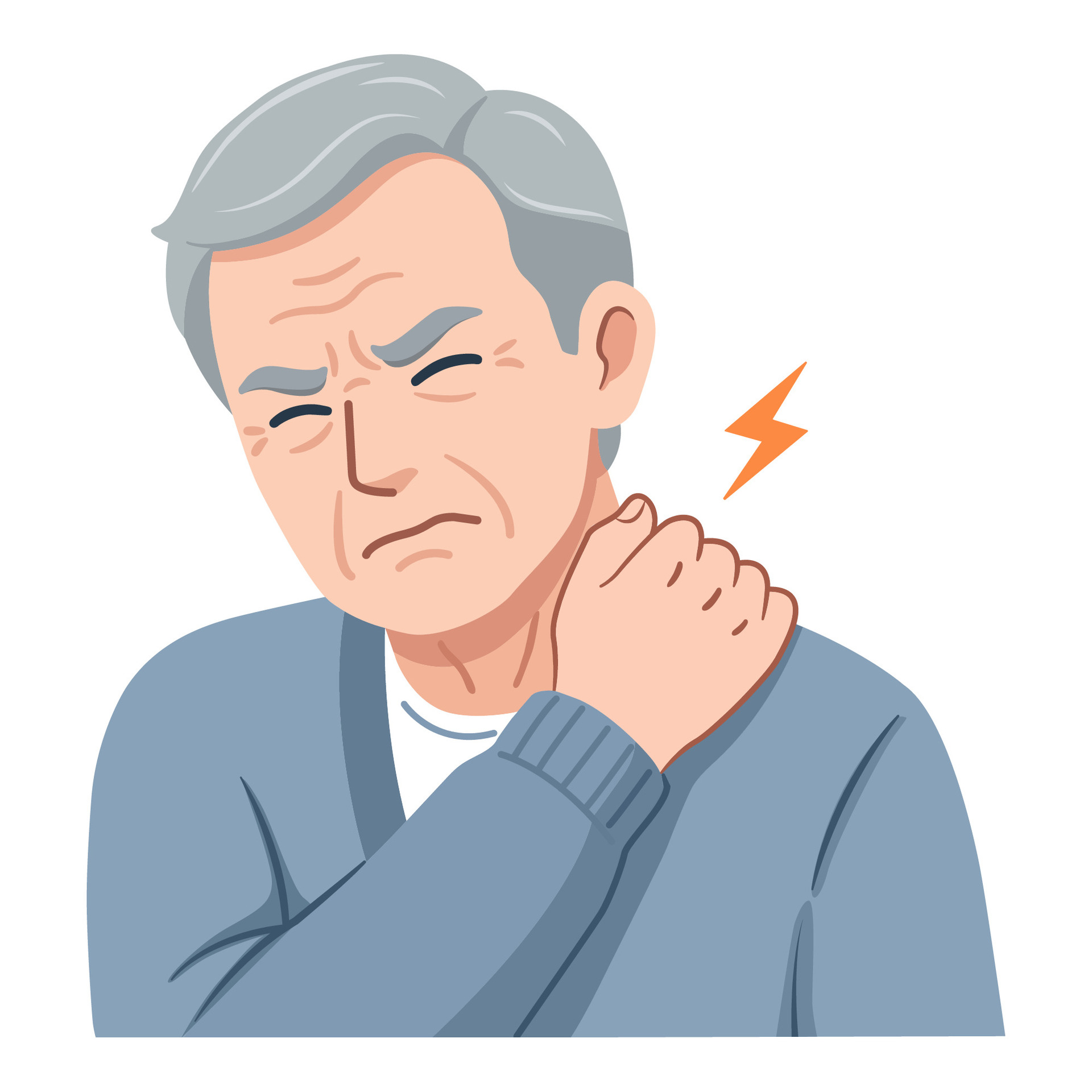
What is whiplash?
Whiplash is a neck injury caused by a rapid back-and-forth movement of the head and neck. This quick motion can irritate or injure:
- The small joints of the neck (facet joints)
- Muscles and tendons
- Ligaments
- Discs and surrounding tissues
- Nerves, including irritation that can refer pain into the shoulders or arms
Even when imaging (like X-ray or MRI) does not show a major tear or fracture, the soft tissues and joints can still be painful and inflamed.
Common symptoms of whiplash
Symptoms can start immediately, but it is also common for symptoms to appear or worsen over 24 to 72 hours. You may notice:
- Neck pain and stiffness
- Reduced range of motion (difficulty turning your head)
- Headaches, especially starting at the base of the skull
- Upper back or shoulder pain
- Jaw discomfort (TMJ irritation)
- Dizziness or a "foggy" feeling
- Tingling, numbness, or pain into the arm or hand
- Trouble sleeping due to discomfort
🚩 Seek urgent care right away if you have progressive weakness, significant numbness, loss of coordination, fainting, severe headache unlike your normal headaches, vision changes, confusion, trouble speaking, or symptoms after a high-speed collision.
Why whiplash can linger
Whiplash may persist when pain changes how you move. Guarding, reduced activity, and altered posture can keep tissues irritated and limit normal joint motion.
A modern approach to whiplash recovery typically focuses on:
- Calming pain and inflammation
- Restoring healthy motion in the neck and upper back
- Improving muscle control and endurance
- Supporting normal daily activities in a safe, graded way
How chiropractic care can help with whiplash
Chiropractic care is often well-suited for whiplash because it focuses on joint function, soft tissue health, and movement quality. After a thorough evaluation, a chiropractor may recommend a plan that includes:
1. Targeted chiropractic adjustments
When appropriate, adjustments can help restore motion to restricted spinal joints in the neck and upper back, which may reduce pain and improve mobility.
2. Gentle mobilization and stretching
Some patients do better with gentler joint mobilization early on, especially when the neck is highly sensitive.
3. Soft tissue therapy
Addressing tight or tender muscles can help decrease protective tension and improve comfort. This may include myofascial release, trigger point work, or instrument-assisted techniques depending on your clinic's approach.
4. Corrective exercises and rehabilitation
Home and in-office exercises are often the difference between short-term relief and lasting improvement. A whiplash rehab plan commonly includes:
- Range-of-motion exercises
- Deep neck flexor strengthening
- Scapular and upper back strengthening
- Posture and ergonomic strategies
- Gradual return-to-activity guidance
5. Education and recovery planning
Understanding what is happening can reduce fear and help you move safely. Your chiropractor can guide you on what to avoid, what is safe to do, and how to pace your recovery.
What to do after an accident (practical steps)
If you think you have whiplash:
- Get checked out if symptoms are significant, if the collision was serious, or if you have any red-flag symptoms.
- Document your symptoms and how they change over the next few days.
- Stay gently active if you can. Short walks and light movement are often better than prolonged rest.
- Use ice or heat based on what feels better (many people prefer ice early on, then heat later).
- Schedule an evaluation with a qualified provider to determine the right plan.
How long does whiplash take to heal?
Recovery varies. Some people feel significantly better within a few weeks, while others need a longer, more structured rehabilitation plan. Factors that can influence recovery include:
- Severity of the collision or impact
- Prior history of neck pain or headaches
- How quickly care begins
- Sleep quality and stress levels
- Consistency with home exercises
A personalized treatment plan and clear milestones can help you track progress.
When to see a chiropractor for whiplash
Consider an evaluation if you have:
- Neck pain or stiffness after an accident
- Headaches that started after the incident
- Upper back or shoulder pain
- Symptoms that are not improving after several days
- Difficulty returning to work, driving, or normal activities
The earlier whiplash is addressed, the easier it often is to prevent compensations that can prolong discomfort.
Ready to get your neck moving comfortably again?
If you were recently in an accident or you are experiencing whiplash symptoms, our clinic can help you understand what is going on and build a plan focused on safe pain relief, mobility, and long-term stability.
Related Articles
Sciatica: Causes, Symptoms & Chiropractic Care
A clear overview of what sciatica is, why it happens, and how chiropractic care may help you recover safely.
Read More →Pain Management: How Chiropractic Care Can Help
Evidence-informed strategies for managing acute and chronic pain and the role of chiropractic care.
Read More →Carpal Tunnel Syndrome: Symptoms, Causes & Care
Conservative, non-surgical relief for wrist pain, tingling, and numbness — and the whole-arm connection.
Read More →