
Pain Management: How Chiropractic Care Can Help
This article is for general education and is not medical advice. If pain is severe, worsening, follows an injury, or includes numbness, weakness, fever, unexplained weight loss, bowel or bladder changes, or other concerning symptoms, seek urgent medical care.
Effective pain management is about restoring function, building resilience, and addressing the underlying drivers of pain when possible. Chiropractic care can be a valuable part of a conservative, whole-person approach.
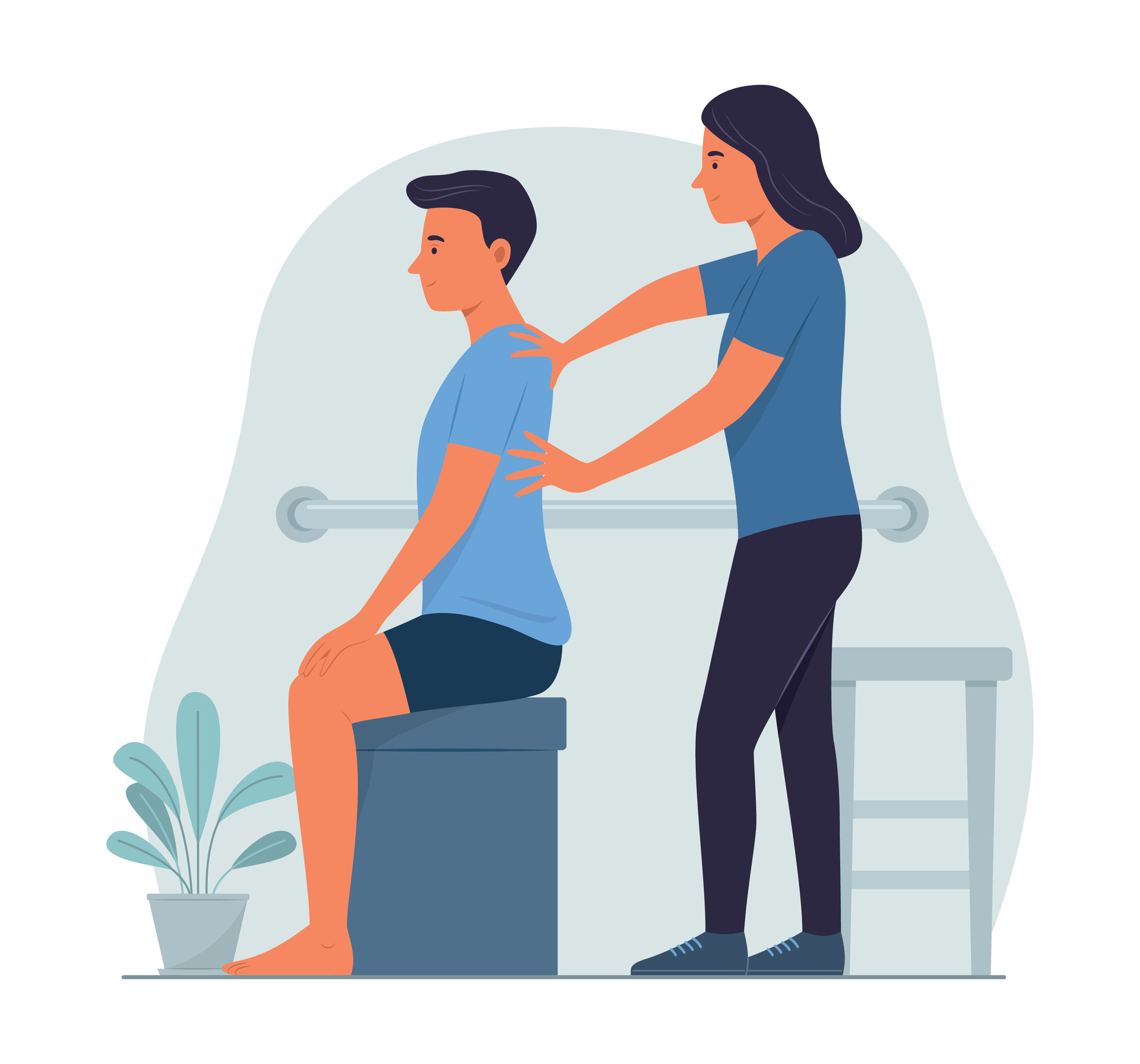
Why pain management matters
Pain can affect sleep, mood, mobility, and the ability to work or enjoy daily activities. Broadly, pain management can include:
- Self-care strategies such as activity modification, movement, heat or ice, and stress management.
- Professional care including physical therapy, chiropractic care, massage therapy, and behavioral health support.
- Medical options like appropriate over-the-counter medications, prescription treatments, or interventional procedures when needed.
Many people do best with a conservative, whole-person approach that aims to improve movement and function while reducing reliance on short-term fixes.
Understanding pain: acute vs. chronic
Pain is complex, and the most effective plan depends on what type of pain you are experiencing.
- Acute pain often starts suddenly and is frequently linked to a strain, sprain, or irritation of a joint or tissue. The goal is to calm symptoms, protect the area from further irritation, and get you moving safely again.
- Chronic pain lasts longer than expected. It may involve ongoing tissue sensitivity, movement changes, and nervous system "alarm" signals that stay turned up. The goal is to steadily rebuild capacity and reduce sensitivity over time.
In both cases, the best outcomes typically come from a plan that combines hands-on care, movement, and education.
Common pain management strategies (and where they fit)
Here are a few evidence-informed approaches that are often part of a conservative pain management plan.
Stay active, with smart limits
Total rest can lead to stiffness and deconditioning. The key is finding the right level of activity that challenges you without flaring symptoms.
Targeted exercise and mobility work
Gentle stretching, strengthening, and stability exercises can support joints and reduce strain. A plan should match your goals, job demands, and daily routines.
Ergonomics and lifestyle adjustments
Small changes to desk setup, lifting habits, sleep positions, and movement breaks can reduce repeated stress.
Heat, ice, and simple recovery tools
Heat can relax tight muscles. Ice can calm acute irritation. These can be helpful supports, but they are usually not the full solution by themselves.
Mind-body strategies
Stress, poor sleep, and worry can amplify pain signals. Breathing strategies, pacing, and sleep support can meaningfully improve recovery.
How chiropractic care can help with pain management
Chiropractic care focuses on the relationship between the spine, joints, muscles, and the nervous system, with a goal of improving movement and function. Depending on your needs, chiropractic care may help by:
- Reducing joint and muscle irritation. Chiropractors can use hands-on techniques to address joint stiffness and muscle tension that can contribute to pain.
- Improving mobility and movement quality. When a joint is not moving well, other areas can compensate. Restoring motion can reduce strain and help you move more comfortably.
- Supporting a return to activity. A major goal of conservative care is getting you back to what you need and love to do, whether that is work, exercise, or daily activities.
- Providing personalized education. Understanding what is going on, what to avoid temporarily, and what to do at home can reduce fear, improve confidence, and speed progress.
- Creating a plan beyond the adjustment. Chiropractic care often includes corrective exercises, posture and lifting guidance, and strategies to prevent recurring flare-ups.
Conditions people commonly seek chiropractic care for
Many patients seek chiropractic care for:
- Low back pain
- Neck pain
- Headache patterns linked to neck tension
- Joint stiffness (spine, shoulders, hips)
- Muscle tightness and movement-related discomfort
The best first step is an evaluation to identify whether chiropractic care is appropriate for your symptoms and goals.
What to expect at a chiropractic visit
A typical visit may include:
- A detailed health history and discussion of your symptoms and goals
- Physical and orthopedic testing to understand movement, strength, and areas of sensitivity
- A clear explanation of findings and a personalized care plan
- Hands-on care, as appropriate
- Home recommendations such as mobility drills, strengthening, and activity guidance
If your presentation suggests a need for imaging, referral, or co-management with another provider, a good chiropractor will help coordinate next steps.
When chiropractic is a good fit — and when you may need another type of care
Chiropractic care is often a good fit when:
- Pain changes with movement or posture
- You have stiffness, limited range of motion, or recurring flare-ups
- You want a conservative option focused on function
You may need additional medical evaluation if you have:
- Progressive numbness, tingling, or weakness
- Loss of coordination, balance changes, or significant radiating pain
- Fever, unexplained weight loss, or pain that is not influenced by movement
- Recent trauma, such as a fall or car accident
If you are unsure, start with an evaluation. The goal is to guide you to the safest and most effective next step.
Practical at-home tips to support recovery
- Walk daily, even in short intervals, as tolerated.
- Change positions often during the day. Set a reminder to stand and move every 30 to 60 minutes.
- Use heat or ice for short sessions to manage discomfort.
- Prioritize sleep and build a consistent bedtime routine.
- Pace activity: increase gradually rather than doing too much on "good days."
Ready to take the next step?
If you are dealing with persistent pain and want a conservative, personalized plan, chiropractic care may be a helpful option. Schedule an evaluation to discuss your symptoms, goals, and the best path forward.
Related Articles
Sciatica: Causes, Symptoms & Chiropractic Care
A clear overview of what sciatica is, why it happens, and how chiropractic care may help you recover safely.
Read More →Carpal Tunnel Syndrome: Symptoms, Causes & Care
Conservative, non-surgical relief for wrist pain, tingling, and numbness — and the whole-arm connection.
Read More →Your Spine Starts at Your Soles
5 surprising truths about how your feet influence your posture, hips, and spine health.
Read More →