
Sciatica: Causes, Symptoms, and How Chiropractic Care Can Help
Sciatica can be painful, frustrating, and disruptive—especially when it affects walking, sitting, sleeping, or everyday tasks. The good news is that many cases respond well to conservative care.
What is sciatica?
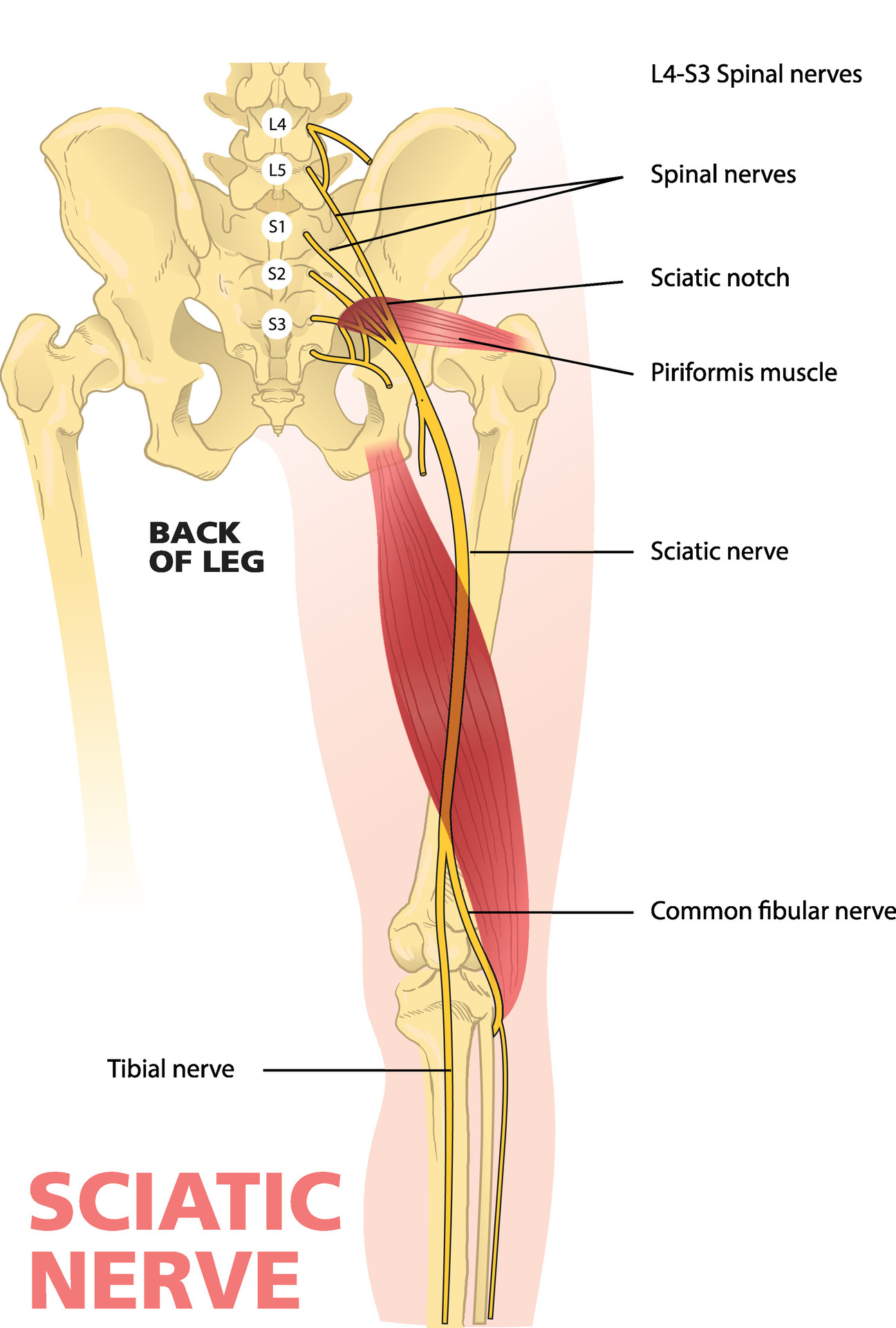
Sciatica isn't a diagnosis by itself—it's a set of symptoms caused by irritation or compression of the sciatic nerve. The sciatic nerve is the largest nerve in the body, formed from nerve roots in the lower back (lumbar spine) and traveling through the buttock and down the back of the leg.
When a nerve root in the low back becomes inflamed or compressed, pain can radiate along the nerve's pathway. Some people describe it as sharp, burning, electric, or deep aching pain.
Common sciatica symptoms
Sciatica symptoms vary based on the location and severity of nerve irritation, but often include:
- Pain that starts in the low back, buttock, or hip and travels down the leg
- Tingling, "pins and needles," or numbness in the leg or foot
- Weakness in the leg, ankle, or foot
- Pain that worsens with sitting, bending, coughing, or sneezing
- Difficulty standing up straight or walking comfortably
Sciatica typically affects one side of the body, but it can occur on both sides in certain situations.
What causes sciatica?
Sciatica is most commonly linked to mechanical stress or irritation of the nerve roots in the lower spine. Some of the most frequent causes include:
- Lumbar disc herniation (bulging or herniated disc): Disc material can press on a nerve root.
- Spinal stenosis: Narrowing of the spinal canal can reduce space for nerves.
- Degenerative disc or joint changes: Wear-and-tear can contribute to inflammation and altered spinal mechanics.
- Spondylolisthesis: One vertebra shifts forward over another and may irritate nerve roots.
- Piriformis-related irritation: In some cases, tight muscles in the buttock region can irritate the sciatic nerve.
Because several conditions can produce similar symptoms, a careful evaluation is important.
When sciatica needs urgent medical attention
Most cases improve with conservative care, but certain symptoms warrant immediate medical evaluation. Seek urgent care if you have:
- New or worsening loss of bowel or bladder control
- Severe or rapidly progressing weakness in the leg or foot
- Numbness in the groin or "saddle" area
- Significant symptoms after a major fall, accident, or trauma
These can be signs of a more serious condition and should be addressed right away.
How chiropractic care can help sciatica
Chiropractic care focuses on restoring healthy motion and alignment to the spine and joints, improving biomechanics, and reducing irritation of the nervous system. While each case is different, many people with sciatica benefit from a conservative chiropractic approach.
1. Identifying the root cause
A chiropractor will start with a detailed history and exam, and may recommend imaging if clinically appropriate. The goal is to determine whether the symptoms are most consistent with disc involvement, joint irritation, stenosis, muscular factors, or another cause.
2. Gentle, targeted spinal adjustments
When appropriate, chiropractic adjustments can:
- Improve joint mobility in the lumbar spine and pelvis
- Reduce mechanical stress on irritated tissues
- Support more normal movement patterns
For disc-related cases, chiropractors often use low-force techniques and careful positioning to avoid aggravating symptoms.
3. Therapeutic exercises and stretching
Sciatica often improves faster when in-office care is combined with a tailored home program. Depending on your condition, this may include:
- Core stabilization exercises
- Hip mobility and glute strengthening
- Gentle nerve glides (when appropriate)
- Stretching for tight muscles that may be contributing to symptoms
These strategies help reduce recurrence by improving strength and movement control.
4. Soft-tissue and supportive therapies
Many clinics also incorporate supportive therapies to help calm pain and muscle tension, such as:
- Myofascial release or trigger point work
- Heat/ice guidance
- Electrical muscle stimulation (when appropriate)
- Ergonomic and posture coaching
5. Lifestyle and prevention guidance
Sciatica often has a mechanical component. Small changes can make a big difference, including:
- Proper lifting mechanics
- Desk and driving posture adjustments
- Sleep position recommendations
- Gradual return-to-activity planning
How long does sciatica last?
Some people improve within days to a couple of weeks, while others may need a longer plan of care—especially if symptoms have been present for months or if there are degenerative changes. Your recovery timeline depends on factors such as the underlying cause, how long symptoms have been present, activity levels, and how consistently you follow recommendations.
What you can do at home (safe general tips)
These suggestions are generally helpful, but you should stop if they worsen symptoms and consult a clinician if you're unsure:
- Stay gently active: Short walks are often better than prolonged rest.
- Avoid long periods of sitting: Stand up and move every 30–60 minutes.
- Use ice or heat: Ice can help calm inflammation early; heat may help tight muscles.
- Try neutral spine positions: Avoid repeated bending or twisting if those movements trigger pain.
If pain is severe or persistent, a professional evaluation can help you avoid trial-and-error.
Ready to get relief?
If you're dealing with sciatica, a thorough evaluation can help determine what's causing your symptoms and what type of conservative care is most likely to help. Chiropractic care is a non-surgical option that may reduce pain, improve mobility, and support long-term spinal health.
This article is for general educational purposes and is not a substitute for medical advice. If you have severe symptoms or neurological changes (such as significant weakness or bowel/bladder changes), seek urgent medical care.
Related Articles
Pain Management: How Chiropractic Care Can Help
Evidence-informed strategies for managing acute and chronic pain and the role of chiropractic care.
Read More →Whiplash: Symptoms, Recovery & Chiropractic Care
What to expect after a car accident or collision, and how chiropractic care supports healing.
Read More →Your Spine Starts at Your Soles
5 surprising truths about how your feet influence your posture, hips, and spine health.
Read More →