Neck Pain and Headaches: When Chiropractic Care May Help
A practical guide to tension headaches, cervicogenic headaches, and when chiropractic care may be a good next step.
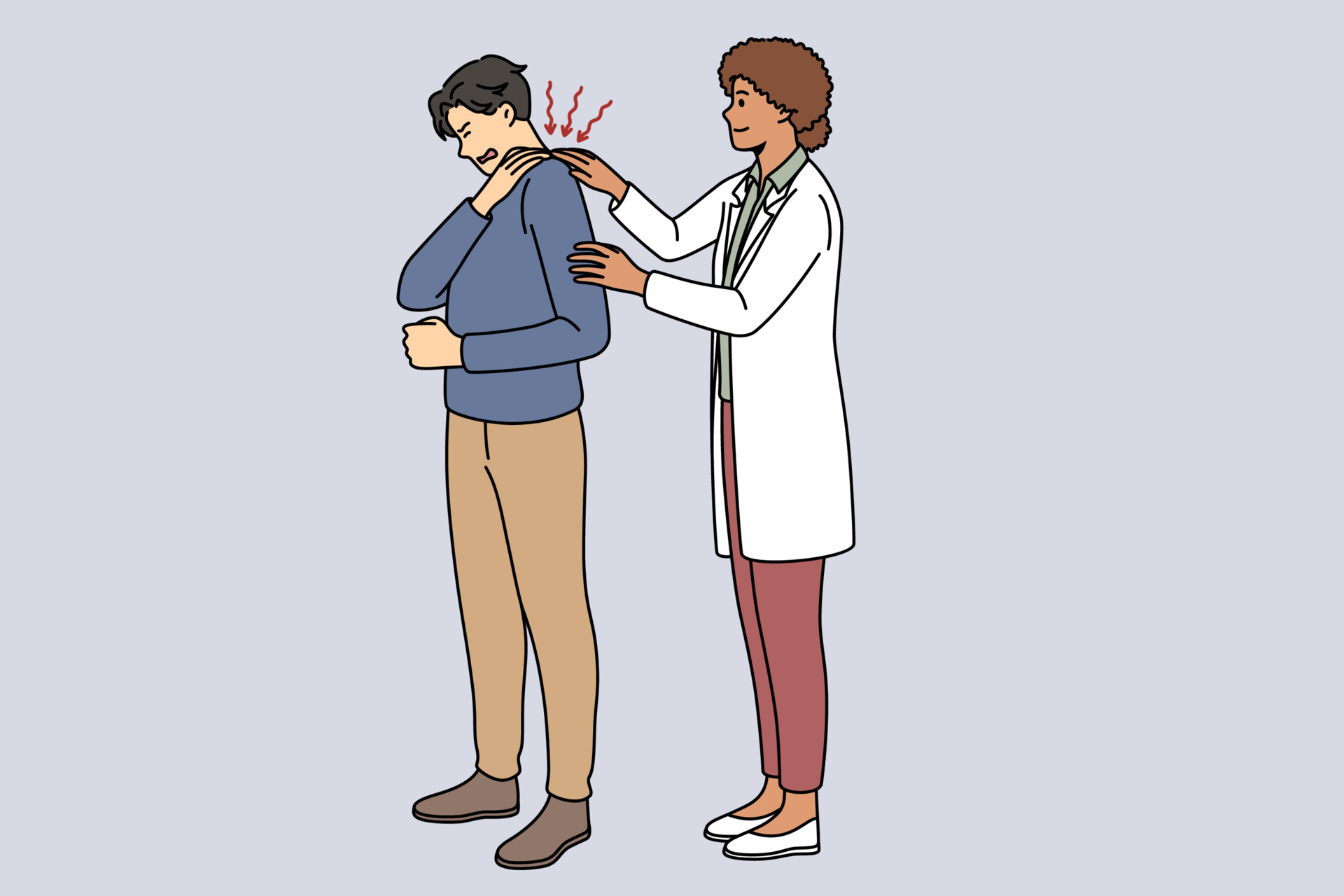
Neck pain and headaches often show up together. Maybe you woke up with a stiff neck and a dull pressure behind your eyes. Or you’ve had recurring tension headaches after long hours at a desk. For many people in Goldsboro, NC, the question is simple: Is there a safe, effective way to get relief without immediately jumping to stronger medications or endless trial-and-error?
Chiropractic care can be a helpful, evidence-informed option for certain types of neck-related headaches—especially tension-type headaches and cervicogenic headaches (headaches that start from irritation in the neck). At Berkeley Chiropractic Center, we focus on conservative care that supports your body’s ability to heal and function well—care that is effective, safe, and affordable for many patients.
Why neck pain and headaches are often connected
Your neck (cervical spine) isn’t just a stack of bones—it’s a complex system of joints, discs, nerves, muscles, and ligaments that supports the head and helps you move and stabilize it all day.
When the neck is irritated—by posture strain, muscle tension, joint restriction, arthritis, whiplash, or repetitive stress—pain signals can “refer” upward into the head. That’s one reason neck pain with headache is so common.
Common patterns we see include:
- Tension-type headache: often feels like a tight band around the head; frequently linked to muscle tightness in the neck and shoulders.
- Cervicogenic headache: typically starts at the base of the skull or upper neck and may spread to the forehead or behind the eye; often worsens with certain neck movements or prolonged positions.
- Migraine: can involve neck discomfort too, but migraines often include other features (nausea, sensitivity to light/sound, aura). Chiropractic care may support overall function for some migraine sufferers, but migraine care often needs a broader plan and coordination with your primary care provider.
When chiropractic care may help headaches and neck pain
Chiropractic care isn’t “one-size-fits-all.” But research suggests spinal manipulation and related manual therapies may benefit certain headache types—especially headaches tied to neck mechanics.
You may be a good candidate for chiropractic evaluation if you have:
- Headaches that start in the neck or feel tied to neck stiffness
- Tension headaches from stress or posture (desk work, driving, phone use)
- Reduced neck range of motion (turning your head feels limited)
- Headaches after a strain or whiplash-type injury
- Recurring headaches with tight upper back/shoulder muscles
At Berkeley Chiropractic Center in Goldsboro, our approach commonly includes:
- Chiropractic adjustments (spinal manipulation) to improve joint motion and reduce irritation
- Soft-tissue therapy to address muscle tension and trigger points
- Posture and ergonomic coaching (workstation, driving posture, phone habits)
- Therapeutic exercises to build long-term stability
- Lifestyle guidance that supports wellness and prevention
This combination matters because the goal is not just short-term relief—it’s long-term function and fewer flare-ups.
What the research says (in plain English)
Here’s the simple takeaway: for certain headache types, especially cervicogenic headaches, spinal manipulation and manual therapy can reduce pain and improve function for many patients.
- Clinical practice guidelines and reviews have found evidence supporting manual therapy (including manipulation and mobilization) for cervicogenic headache and some neck-related headache conditions.
- For many patients, conservative care can be a reasonable first step before escalating to more invasive or costly options.
Chiropractic care is also widely used because it is generally drug-free and focuses on addressing mechanical contributors (joint restriction, muscle tension, posture). That aligns with Berkeley Chiropractic Center’s focus on safe, effective, affordable wellness care—and helping patients stay active.
How to tell what kind of headache you might have
Only a proper evaluation can determine what’s most likely. Still, these clues can help you discuss symptoms more clearly:
- Cervicogenic headache clues: pain on one side more than the other, headache that starts in the neck, worse with neck movement, neck stiffness, pain that can be triggered by pressing on certain neck muscles/joints.
- Tension headache clues: “tight band” feeling, stress-related, neck/shoulder tightness, often no nausea.
- Migraine clues: throbbing or pulsing, nausea, sensitivity to light/sound, may have aura, may last longer.
If you’re not sure, that’s normal. A clinician’s job is to sort out likely causes and rule out concerning conditions.
Red flags: when to seek urgent medical care
Most headaches are not dangerous—but some symptoms should be treated as urgent. Seek emergency care or immediate medical evaluation if you experience:
- Sudden, severe “worst headache of your life”
- Headache with fever, stiff neck, confusion, fainting, or seizures
- Headache after a significant head injury
- New weakness, numbness, facial droop, slurred speech, vision loss, or trouble walking
- New or worsening headaches if you have a history of cancer, immune suppression, or unexplained weight loss
A reputable chiropractor will also screen for these red flags and refer out when appropriate.
What to expect at Berkeley Chiropractic Center (Goldsboro, NC)
If you’re searching for chiropractic care for headaches in Goldsboro or neck pain treatment near Goldsboro, NC, here’s what a typical first visit may include:
- A detailed health history and discussion of your symptoms (when they started, what triggers them, what helps)
- Orthopedic and neurological screening as needed
- Posture and movement assessment
- A plan tailored to your goals—relief, improved mobility, fewer headaches, better sleep, better work comfort
If chiropractic care is appropriate, treatment is usually conservative and progressive. Many patients appreciate that chiropractic is often:
- Effective: focused on function and outcomes you can measure (pain level, range of motion, fewer headache days)
- Safe: non-surgical, drug-free, and tailored to the individual
- Affordable: often less expensive than imaging-heavy or procedure-based pathways, especially when paired with prevention strategies
Practical tips Goldsboro patients can use today
Even before your appointment, these habits can reduce neck strain that contributes to headaches:
- Adjust your screen height: keep the top third of your monitor near eye level.
- Take posture breaks: 30–60 seconds every 30–45 minutes (stand, look far away, gentle neck movement).
- Avoid cradling the phone: use speakerphone or headphones.
- Hydrate and sleep: dehydration and poor sleep can worsen headache frequency.
- Gentle neck mobility: slow side-to-side turns and chin tucks (pain-free range).
If a movement increases pain sharply, stop and get evaluated.
SEO keywords (naturally included)
If you found this page by searching phrases like “neck pain and headaches,” “chiropractic for headaches,” “cervicogenic headache treatment,” “tension headache relief,” “Goldsboro chiropractor,” or “Berkeley Chiropractic Center”—you’re in the right place. These are common issues we evaluate and treat with conservative, wellness-focused chiropractic services in the Goldsboro area.
The bottom line
Neck pain and headaches often share a mechanical link. For many people, chiropractic care—especially when combined with soft-tissue work, exercises, and posture coaching—may reduce headache frequency and intensity and improve day-to-day comfort.
If you’re dealing with recurring headaches, neck stiffness, or tension headaches that interfere with work, family time, or sleep, a chiropractic evaluation can help clarify what’s happening and whether conservative care at Berkeley Chiropractic Center is a good fit.
Sources (linked)
- American Migraine Foundation. “Cervicogenic Headache.” https://americanmigrainefoundation.org/resource-library/cervicogenic-headache/
- National Center for Complementary and Integrative Health (NCCIH). “Spinal Manipulation: What You Need To Know.” https://www.nccih.nih.gov/health/spinal-manipulation-what-you-need-to-know
- Cleveland Clinic. “Tension Headache.” https://my.clevelandclinic.org/health/diseases/8257-tension-headaches
- Cleveland Clinic. “Cervicogenic Headache.” https://my.clevelandclinic.org/health/diseases/9638-cervicogenic-headache
- American Academy of Family Physicians (AAFP). “Acute Headache in Adults: A Diagnostic Approach.” https://www.aafp.org/pubs/afp/issues/2022/0900/acute-headache.html
Medical disclaimer: This article is for educational purposes and is not medical advice. Headaches can have many causes. For diagnosis and treatment decisions, consult a qualified healthcare professional.