What to Expect at Your First Chiropractic Visit
What new patients in Goldsboro can expect from their first exam, adjustment options, and personalized care plan.
If you’ve never been to a chiropractor before, it’s normal to feel curious—or even a little nervous—about what will happen. At Berkeley Chiropractic Center, our goal is to make your first visit clear, comfortable, and helpful from the moment you walk in.
Chiropractic care focuses on how the spine, joints, muscles, and nervous system work together. When these systems move well, your body can heal and function better. For many people, chiropractic is an effective, safe, and affordable part of a wellness and healthcare routine—especially for common problems like back pain, neck pain, headaches, and everyday stiffness.
Below is a plain-English guide to what you can expect at your first chiropractic visit in Goldsboro, NC—and how Berkeley Chiropractic Center helps you get answers, relief, and a plan you can feel good about.
1) Check-in and a conversation about your goals
Your first appointment starts with simple paperwork and a conversation. We’ll ask about:
- What brings you in (for example: low back pain, sciatica, neck pain, shoulder tension, headaches, or posture issues)
- When your symptoms started and what makes them better or worse
- Past injuries (car accidents, sports injuries, work strain)
- Your daily routine (work setup, lifting, sleep, stress)
- Your health history and any medications
This step matters because chiropractic care is not “one size fits all.” A good chiropractor uses your story to understand the likely causes of your pain and the best path forward.
2) A thorough exam (posture, range of motion, and more)
Next, your chiropractor will perform an exam. Depending on your needs, this may include:
- Posture and spinal alignment checks
- Range of motion testing (how well your neck, back, and joints move)
- Orthopedic and neurological screens (strength, reflexes, sensation)
- Palpation (feeling areas of tightness, tenderness, or restricted motion)
The goal is to identify where movement is limited, which tissues are irritated, and whether your symptoms suggest a condition that should be treated with chiropractic care—or referred for additional medical evaluation.
3) Imaging (only when it’s appropriate)
Many people wonder, “Will I need X-rays?” The answer is: sometimes.
X-rays or other imaging are not automatically required for every patient. Your chiropractor may recommend imaging when it helps clarify the diagnosis, rule out certain conditions, or guide care safely—especially if there has been significant trauma, red-flag symptoms, or a complicated history.
This is part of the “safe and appropriate care” principle: doing what’s necessary, and avoiding what isn’t.
4) Clear explanations—no confusing jargon
A quality first chiropractic visit should leave you feeling informed. At Berkeley Chiropractic Center, you can expect straightforward explanations of:
- What we think is causing your symptoms
- What we found on the exam (and imaging, if needed)
- What chiropractic can realistically help with
- What may take time, and what improvement may look like
You should also feel comfortable asking questions like:
- “Is chiropractic safe for my situation?”
- “How many visits do people usually need?”
- “What can I do at home to speed recovery?”
5) Your first adjustment (if you’re a good candidate)
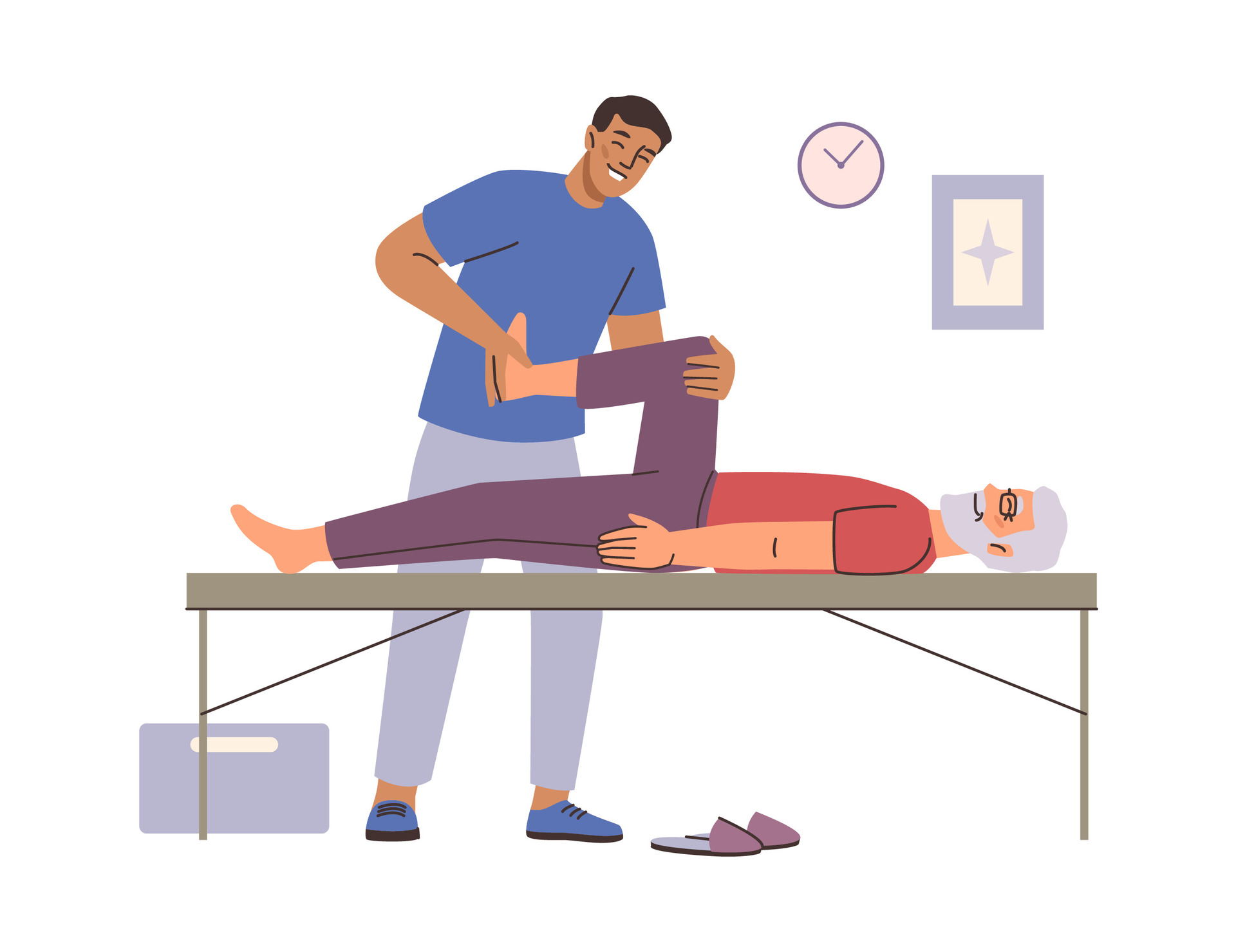
If your exam indicates chiropractic care is appropriate, you may receive your first chiropractic adjustment during the initial visit.
What an adjustment is
A chiropractic adjustment (also called spinal manipulation) is a controlled, skilled movement to a joint—often in the spine—with the goal of improving motion, reducing irritation, and helping the body move better.
What it feels like
People describe adjustments in different ways:
- A quick pressure and release
- A stretch-like feeling
- Sometimes a “pop” sound (this is commonly gas releasing in the joint, similar to cracking knuckles)
Most patients feel relief, easier movement, or reduced tension afterward—though some people feel mild soreness (like after a new workout) for a day or two.
Safety comes first
Chiropractors are trained to screen for situations where manipulation isn’t appropriate. In many cases, a chiropractor will also use other gentle techniques (soft tissue work, mobilization, stretching) based on your comfort level and clinical needs.
6) A plan designed around results, value, and your schedule
Your first visit should end with a clear plan. That plan may include:
- A recommended visit schedule (for example: a short period of more frequent visits, then tapering as you improve)
- Home care steps (mobility exercises, posture tips, ice/heat guidance)
- Lifestyle guidance that supports long-term spinal health
Effective
The plan should focus on measurable outcomes—less pain, improved function, better sleep, easier movement, fewer headaches, or improved performance at work and home.
Safe
Your chiropractor should explain risks and benefits in plain language and recommend referrals if your case needs another type of provider.
Affordable
A good care plan should respect your budget and time. Chiropractic is often used as a cost-conscious option for managing musculoskeletal pain and supporting wellness—especially compared to prolonged reliance on medication or repeated urgent-care visits.
If you’re looking for an affordable chiropractor in Goldsboro, NC, ask about pricing, insurance, and care options during your first visit. You deserve clarity.
7) Common conditions people visit Berkeley Chiropractic Center for
While every person is different, many patients seek chiropractic services for:
- Low back pain
- Neck pain
- Sciatica and leg pain
- Headaches and tension
- Shoulder, hip, and joint stiffness
- Posture and work-related strain
- Sports and activity-related aches
Chiropractic care often fits well alongside an active lifestyle in the Goldsboro area—whether you work a physically demanding job, sit at a desk, care for family members, or simply want to move better.
8) What to bring (and how to prepare)
To make your first visit smoother, consider bringing:
- A list of current medications and supplements
- Any relevant imaging or medical reports (if you have them)
- Comfortable clothing (or be ready to change if recommended)
Before you arrive, think about:
- What movements trigger your pain
- What you want to be able to do again (sleep, exercise, drive, work)
These details help your chiropractor tailor care to your real life—not just a symptom list.
9) What happens after your first visit
After your first appointment, you may notice:
- Improved mobility or reduced pain right away
- Gradual improvements over multiple visits
- Mild temporary soreness
If your goal is long-term wellness, the most important part is consistency: following your plan, doing simple home exercises, and making small daily changes that support spinal health.
Why choose Berkeley Chiropractic Center in Goldsboro, NC?
A first visit should feel supportive and professional. At Berkeley Chiropractic Center, we focus on:
- Personalized care (your body and goals matter)
- Evidence-informed chiropractic (screening, clear explanations, appropriate care)
- Comfort and communication (no surprises)
- Practical value (care that is effective, safe, and affordable)
If you’ve been searching for a Goldsboro chiropractor or wondering whether chiropractic care can help your back pain, neck pain, or headaches, your first visit is the best next step.
Sources (linked)
- American College of Physicians. Noninvasive Treatments for Acute, Subacute, and Chronic Low Back Pain (Clinical Practice Guideline). https://www.acponline.org/clinical-information/guidelines
- National Center for Complementary and Integrative Health (NCCIH). Spinal Manipulation: What You Need To Know. https://www.nccih.nih.gov/health/spinal-manipulation-what-you-need-to-know
- Agency for Healthcare Research and Quality (AHRQ). Noninvasive Nonpharmacological Treatment for Chronic Pain: A Systematic Review. https://effectivehealthcare.ahrq.gov/products/noninvasive-nonpharma-treatment-chronic-pain/research
- U.S. Centers for Disease Control and Prevention (CDC). Nonopioid Therapies for Pain Management. https://www.cdc.gov/overdose-prevention/hcp/clinical-care/nonopioid-therapies.html
- World Health Organization (WHO). WHO Guidelines on Basic Training and Safety in Chiropractic. https://apps.who.int/iris/handle/10665/43352