Desk Posture and Neck Pain: What Goldsboro Patients Need to Know
Simple desk and phone posture fixes that can reduce neck strain, stiffness, and headache flare-ups.
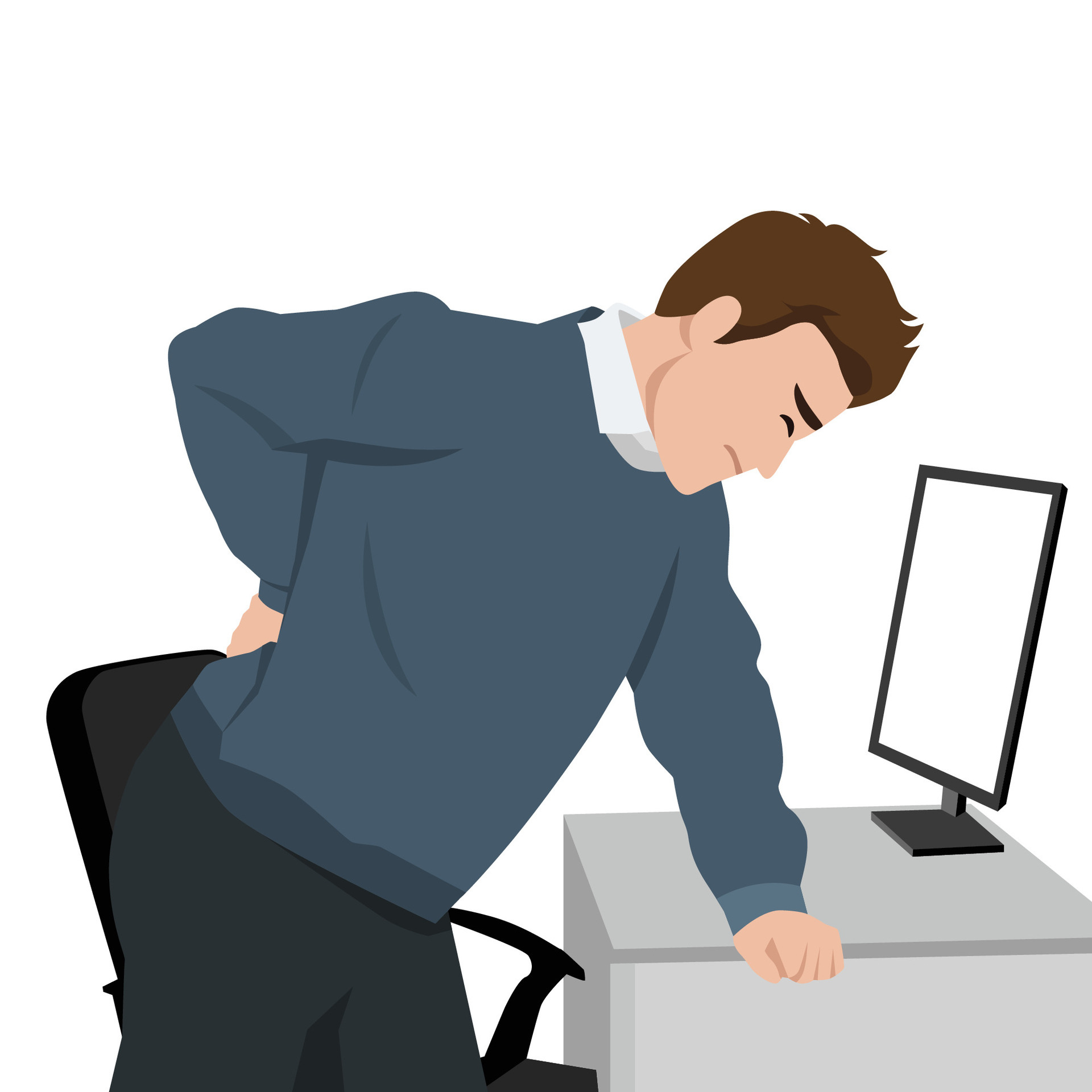
Neck pain is one of the most common complaints we see in adults who spend long hours working at a desk, looking down at a phone, or sitting in traffic. It often starts subtly—stiffness, tightness, headaches, or discomfort between the shoulder blades—and then becomes more noticeable over time.
At Berkeley Chiropractic Center in Goldsboro, NC, we help patients connect the dots between everyday habits and neck discomfort. The goal is to get to the root of the problem and create a care plan that supports long-term relief without unnecessary medication or procedures.
Why desk posture causes neck pain
The neck is designed to support the head, which weighs roughly the same as a bowling ball when held upright. But when your head drifts forward—whether from slouching at a screen or looking down at a phone—the muscles at the front of the neck work harder while the muscles in the back become strained.
This can create:
- Chronic tension in the upper back and neck
- Reduced range of motion
- Headaches that start at the base of the skull
- Shoulder tightness and a “stiff” feeling after work
Over time, poor posture can become a repeated stressor that keeps the neck irritated and uncomfortable.
Common signs you may have posture-related neck pain
Consider your posture and symptoms if you notice:
- A tight feeling in the neck after work or school
- Shoulder soreness that seems to come with screen time
- Frequent headaches or pressure behind the eyes
- Pain when turning your head side to side
- Difficulty getting comfortable at night
These symptoms often respond well to a structured plan that includes posture correction, movement work, and targeted chiropractic care.
How chiropractic care supports better posture and relief
Chiropractic care isn’t only about “cracking” the neck. It is about restoring proper joint motion, improving how the body moves, and helping the nervous system function with less stress.
At Berkeley Chiropractic Center, common care strategies may include:
- Spinal adjustments to improve cervical mobility
- Soft-tissue work for tight muscles and trigger points
- Posture coaching for workstations, driving, and phone use
- Stretching and strengthening recommendations
- Lifestyle guidance that supports recovery and prevention
This approach is especially helpful when neck pain is linked to mechanical strain rather than a major structural problem.
Simple desk habits that can reduce neck pain
A few small adjustments can make a big difference:
- Keep your monitor at eye level
- Sit with shoulders relaxed, not rounded forward
- Support the lower back while keeping the head balanced over the shoulders
- Avoid hunching over your phone or tablet
- Take a movement break every 30 to 60 minutes
- Stretch the chest, upper back, and neck gently during the day
These steps are simple, but they matter when the goal is lasting relief rather than short-term symptom relief.
When to seek professional help
It’s a good idea to schedule a chiropractic evaluation if you have:
- Neck pain that is recurring or worsening
- Frequent headaches that seem connected to posture or screen time
- Pain radiating into the shoulder or arm
- Restricted neck movement or a “stuck” feeling
- Symptoms interfering with sleep or work productivity
A thorough exam can help determine whether your pain is due to joint restriction, muscle irritation, postural strain, or something that needs a different level of care.
The bottom line
Neck pain related to desk work is extremely common—but it is not something you have to simply live with. Often, the issue is not a single “bad posture moment,” but a pattern of strain that builds over time.
With the right care plan and daily habits, many patients are able to move better, feel less tension, and reduce the frequency of headaches and neck-related discomfort.
If you’re dealing with neck pain, headaches, or posture strain in Goldsboro, Berkeley Chiropractic Center can help you take the next step toward relief.
Sources (linked)
- National Center for Complementary and Integrative Health — Spinal Manipulation: What You Need To Know: https://www.nccih.nih.gov/health/spinal-manipulation-what-you-need-to-know
- Cleveland Clinic — Neck Pain: https://my.clevelandclinic.org/health/symptoms/9298-neck-pain
- Mayo Clinic — Tension Headache: https://www.mayoclinic.org/diseases-conditions/tension-headache/symptoms-causes/syc-20353977
- American Chiropractic Association — Chiropractic and Posture: https://www.acatoday.org/Patients/Health-Wellness/Posture
This article is for educational purposes only and is not a substitute for medical advice or diagnosis.